Free Skate Decoded: Essential Rules of Olympic Figure Skating's Long Program
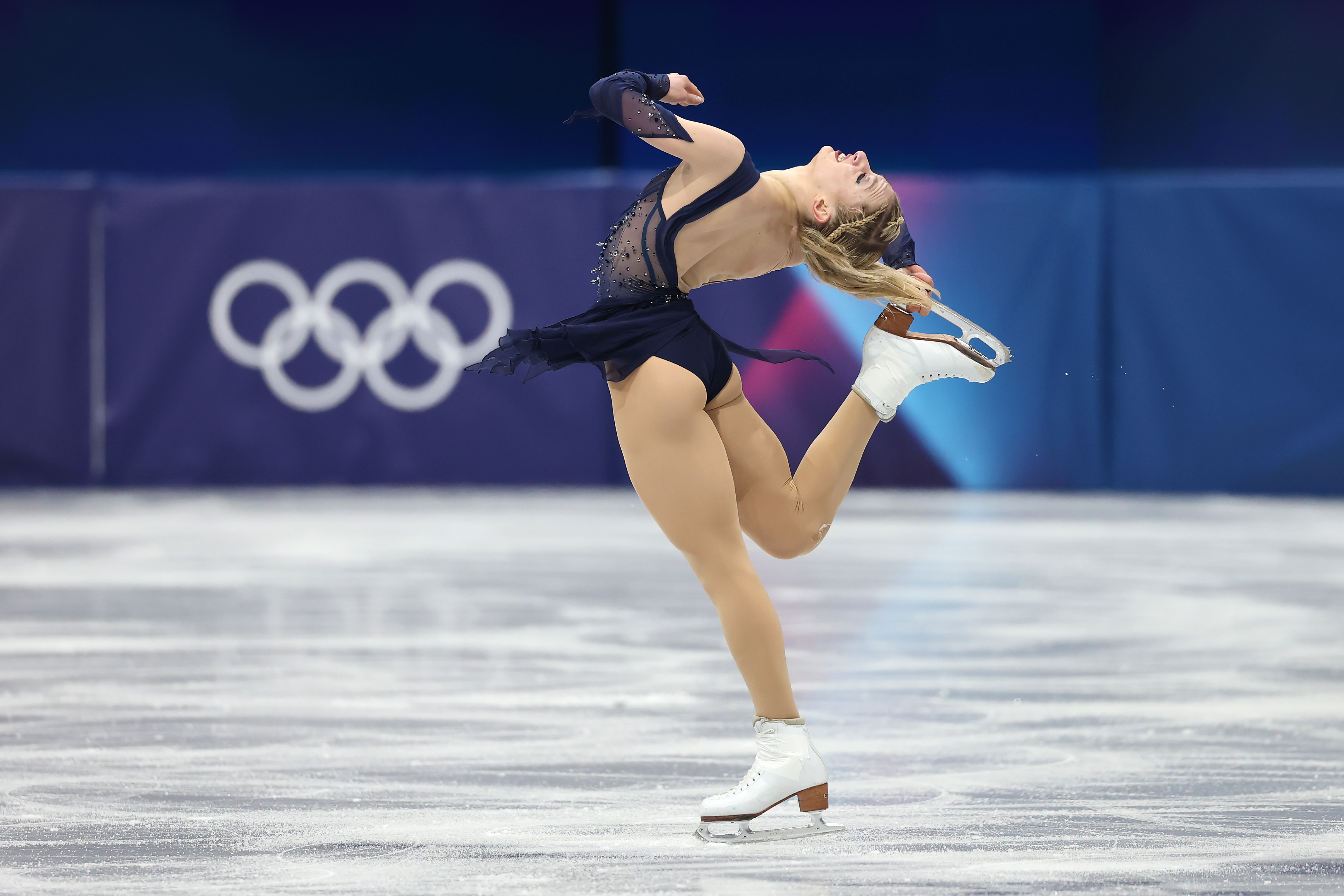
In the exhilarating world of Olympic figure skating, few segments capture the audience's imagination and determine a skater's destiny quite like the Free Skating program. Often referred to as the "long program" or simply the "free skate," this segment is the ultimate test of athleticism, artistry, and nerve. It's where dreams are forged or shattered, where intricate choreography meets daring jumps, and where a skater's true brilliance shines. Take, for instance, the unforgettable performance of Alysa Liu at the 2026 Winter Olympics in Milan, whose mesmerizing free skate not only earned her a season-best score of 150.20 but also catapulted her from third place to a historic gold medal, ending a 24-year drought for American women in the sport.
The Crucible of Champions: What is Free Skating?
The Free Skating segment is the grand finale of figure skating competitions, following the initial "short program." If the short program is a sprint, showcasing a skater's foundational technical prowess, the free skate is a marathon – a comprehensive display of their full repertoire. This segment is integral to single skating, pair skating, and synchronized skating across all major International Skating Union (ISU) championships, including the prestigious Olympic Winter Games and the ISU Grand Prix series.
- Duration: For senior-level skaters and teams, the free skate is a demanding four minutes. Junior competitors skate for three and a half minutes, a slightly shorter but equally intense challenge. This extended duration allows for a more complex and expansive demonstration of skill compared to the shorter program.
- Music: Since the 2014-2015 season, vocal music with lyrics has been permitted in all disciplines, adding another layer of artistic expression and storytelling to the performance. This shift has allowed skaters to connect with their chosen pieces and the audience on a deeper emotional level.
- Structure: The ISU mandates that a free skating program must be "well-balanced," meaning it's not just a series of jumps but a cohesive blend of required elements. These elements, meticulously described in ISU communications, ensure a holistic assessment of a skater's abilities. Skaters must integrate various jumps, spins, step sequences, and choreographic elements into a flowing, artistic presentation that utilizes the entire ice surface.
Unpacking the Scorecard: Technical & Artistic Mastery
Understanding how a free skate is scored is key to appreciating the complexity and demands of the sport. The total score for a free skate is comprised of two main components: the Technical Element Score (TES) and the Program Component Score (PCS).
Technical Element Score (TES)
The TES quantifies the difficulty and execution of specific required elements. Each element has a base value, which is then adjusted by the Grade of Execution (GoE) awarded by judges. A positive GoE indicates excellent execution, while a negative GoE points to errors.
- Jumps: The backbone of many free skates, including a variety of triple and quadruple jumps (like the Quad Axel, Quad Lutz, or Quad Salchow). Skaters are limited to a maximum number of jumps (e.g., seven for senior singles), including combinations, which must be executed with precision, clean edges, proper rotation, and good landing quality. Alysa Liu, for instance, is known for her impressive command of triple axels.
- Spins: Different types of spins (e.g., sit spin, camel spin, upright spin), often performed in combinations, are required. Judges assess their centering, speed, number of rotations, and the difficulty of variations.
- Step Sequences: Intricate patterns of footwork, turns, and movements that cover a significant portion of the ice. These sequences are graded for difficulty, speed, and seamless integration with the music.
- Choreographic Sequences: These are less rigidly defined, allowing skaters to express their creativity through unique movements, spirals, and transitions that enhance the program's overall artistic flow.
Program Component Score (PCS)
The PCS evaluates the overall artistic and presentational quality of the program. It reflects aspects that are more subjective but are judged against specific criteria, providing a holistic view of the performance:
- Skating Skills: Assesses edge control, power, flow, and the use of deep edges and turns across the ice.
- Transitions: Measures the seamlessness and variety of movements connecting all elements of the program.
- Performance: Evaluates the skater's engagement, charisma, and emotional projection during the program.
- Composition: Looks at the design and arrangement of all movements, including pattern, ice coverage, and originality.
- Interpretation of the Music: How well the skater conveys the mood, rhythm, and nuances of their chosen musical piece.
A truly exceptional free skate, like Liu's gold-winning performance, achieves a high score in both TES for its technical brilliance and PCS for its captivating artistry.
The Marathon on Ice: Strategy and Endurance in the Long Program
Four minutes might not sound long, but for an Olympic figure skater performing at peak intensity, it's a true test of physical and mental endurance. The Free Skate demands a meticulously planned strategy, not just for technical difficulty but also for stamina and performance arc.
Skaters and their coaches carefully design the program's layout, often placing their most difficult jumps and combinations earlier in the program when energy levels are highest. However, there's a strategic incentive to execute high-value elements in the latter half of the program, as some elements performed after the halfway point receive a bonus multiplier. This adds a layer of risk-reward calculation: conserve energy or push for bonus points?
Beyond the physical exertion, the mental game is paramount. Unlike the short program, where a single major error can be devastating due to fewer elements, the long program offers a bit more room for recovery, but maintaining focus and artistic expression throughout is challenging. The ability to push through fatigue while maintaining character and connecting with the audience is a hallmark of a champion. Alysa Liu's ability to deliver a pristine performance under immense pressure, knowing her rivals still had to skate, perfectly encapsulates this mental fortitude. Her journey back to the ice, after a period of burnout and retirement, speaks volumes about the passion required to excel in this demanding sport. For more on her incredible return, read about Alysa Liu's Comeback: From Burnout to Olympic Free Skate Gold.
Alysa Liu's Milan Masterclass: A Free Skate for the Ages
Alysa Liu's performance at the 2026 Winter Olympics serves as a compelling case study for everything the Free Skate embodies. After a strong, technical, and clean short program that earned her a career-best 76.59, placing her third, the pressure for the long program was immense. Trailing Japan’s Ami Nakai and Kaori Sakamoto, Liu knew she needed something extraordinary.
Skating with a newfound artistic maturity and a fire tempered by past experiences, Liu delivered a free skate that wasn't just technically sound but deeply emotive. Her season-best 150.20 score wasn't merely a sum of elements; it was a narrative of triumph. It showcased her evolution from a prodigious talent, who became the youngest U.S. champion at 13 and battled burnout after the 2022 Beijing Olympics, to a refined artist. Her gold medal not only capped her personal comeback but also ended the United States' 24-year gold-medal drought in women’s figure skating, harkening back to Sarah Hughes's win in Salt Lake City. To delve deeper into this monumental achievement, explore Alysa Liu's Olympic Gold: USA Ends 24-Year Figure Skating Drought.
Her anxious wait as Nakai and Sakamoto took the ice, hoping her score would hold, was a vivid illustration of the high stakes involved. When her score did indeed hold, securing the gold, it was a testament to the Free Skate's power to redefine standings and create Olympic legends.
The Free Skating program is more than just a competition segment; it's the heart and soul of Olympic figure skating. It’s where athletes push the boundaries of human capability, combining breathtaking acrobatics with profound artistic expression. From the rigorous technical demands to the nuanced artistic interpretations, the Free Skate truly decodes the essence of a champion, celebrating those who can perform a four-minute masterpiece under the brightest of lights.